How Water Intrusion Damages Foundations and Basements
Homeowners seeking to prevent water damage often turn to local contractors who specialize in basement and foundation waterproofing to protect their property.
Property owners in the area often find themselves concerned about how water intrusion damages foundations and basements, especially given the impact it can have on the stability and safety of their homes. Understanding how excess moisture can seep into these critical parts of a property helps homeowners recognize potential issues early on, preventing costly repairs down the line. Exploring this topic is a practical step for those looking to protect their investment and ensure their home remains secure and dry, particularly in regions prone to heavy rainfall or fluctuating ground conditions.
Local contractors who specialize in basement and foundation waterproofing offer valuable solutions to mitigate water intrusion and its damaging effects. By addressing vulnerabilities in a property’s structure, these service providers help prevent problems such as foundation cracks, mold growth, and basement flooding. Learning about how water intrusion damages foundations and basements can guide property owners in making informed decisions about safeguarding their homes, with the support of experienced local experts equipped to handle these challenges effectively.
- Basement Waterproofing - homeowners noticing dampness or water stains in their basements may need waterproofing services, which local contractors approach with sealing and drainage solutions.
- Foundation Waterproofing - when cracks or water seepage threaten the stability of a foundation, local service providers typically install barriers and drainage systems to prevent water intrusion.
- Basement Drainage Systems - excess water around a home can lead to basement flooding, prompting local pros to design and install effective drainage solutions.
- Waterproofing Membranes - signs of moisture or mold growth can indicate water intrusion issues, which local contractors address by applying waterproof membranes to exterior or interior surfaces.
- Leak Repair Services - ongoing leaks or water infiltration problems require prompt attention from local pros who specialize in identifying and sealing entry points to protect foundations and basements.
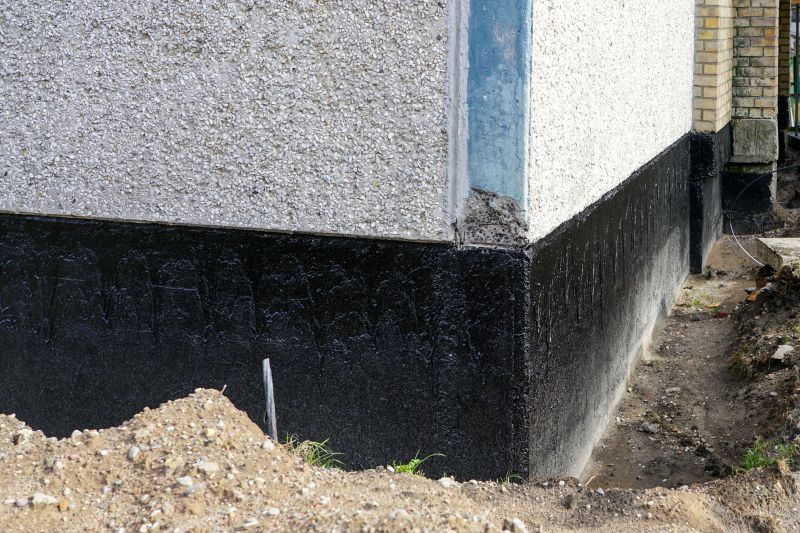
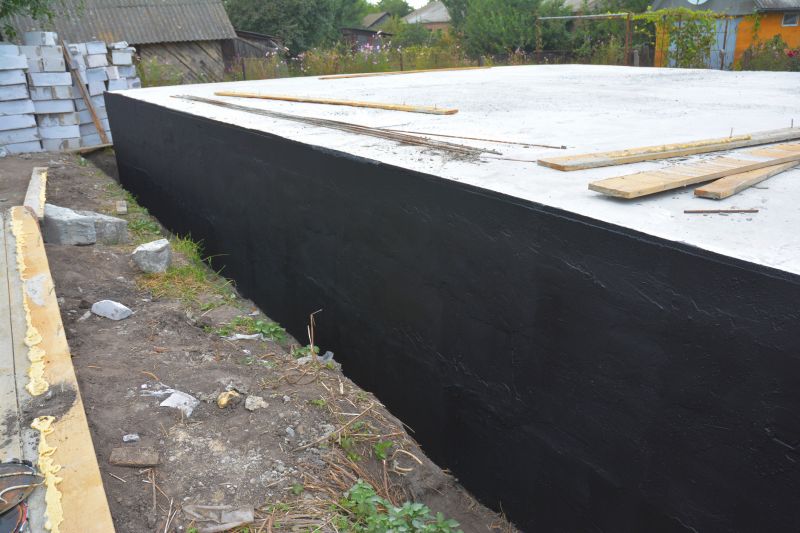
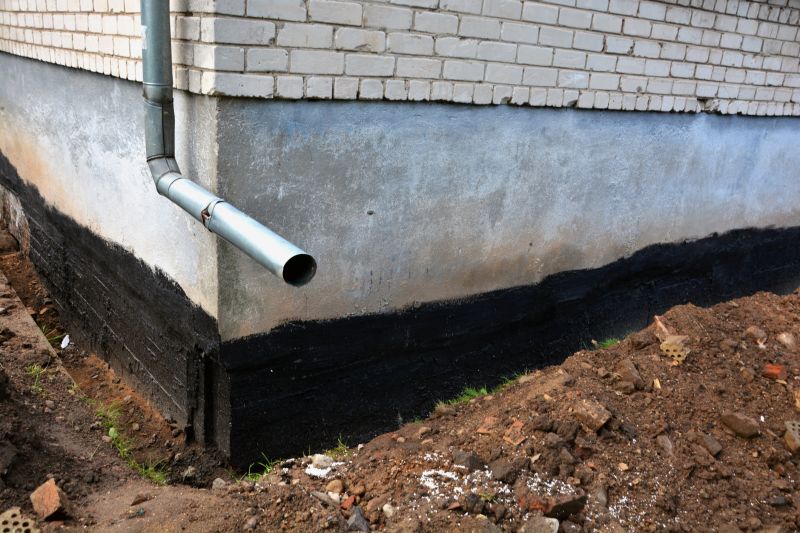
When people search for how water intrusion damages foundations and basements, they are often trying to understand the causes and consequences of water-related issues in their properties. This topic typically comes up in the context of home maintenance, repair projects, or preventative measures to protect a property’s structural integrity. Homeowners may notice signs like damp walls, musty odors, or uneven floors and want to learn whether water is the culprit behind these problems. Understanding how water can infiltrate and weaken foundations and basements helps homeowners recognize the importance of proper waterproofing and early intervention to avoid costly repairs.
Water intrusion can lead to a range of damaging effects on foundations and basements. When water seeps into these areas, it can cause soil erosion around the foundation, leading to shifting or settling that compromises the structural stability of a property. In basements, water intrusion often results in dampness, mold growth, and even structural damage to walls and flooring. Over time, persistent water exposure can weaken concrete and masonry, creating cracks or holes that allow even more water to enter. These issues not only threaten the safety and durability of a home but can also reduce its value and increase maintenance costs if left unaddressed.
The types of properties most commonly affected by water intrusion damage include single-family homes, multi-unit buildings, and commercial structures with basements or crawl spaces. Homes built in areas with high rainfall, poor drainage, or expansive clay soils are especially vulnerable. Properties with inadequate or aging waterproofing systems, such as old foundation membranes or drainage systems, are also at higher risk. Basements that are below grade or have insufficient exterior drainage are particularly prone to water intrusion problems. For property owners, understanding the specific vulnerabilities of their buildings can help guide effective waterproofing strategies and ensure that local service providers can deliver targeted solutions.
Local basement and foundation waterproofing contractors play a vital role in addressing water intrusion issues. They assess the property to identify the sources of water entry and recommend appropriate measures such as exterior waterproofing, sump pump installation, or drainage improvements. These professionals help prevent further damage by implementing systems designed to keep water out of the foundation and basement areas. For homeowners dealing with water-related concerns, connecting with experienced service providers ensures that the underlying causes are properly managed, reducing the risk of ongoing damage and preserving the integrity of the property over time.
Drainage System Installations - installing effective drainage solutions like gutters and sump pumps helps prevent water from seeping into foundations and basements, reducing damage risks.
Basement Wall Repair Projects - repairing or reinforcing basement walls addresses issues caused by water intrusion and strengthens the foundation against future water damage.
Waterproofing System Installations - applying interior or exterior waterproofing membranes involves skills similar to foundation sealing to keep water out of basements and prevent structural damage.
Foundation Crack Repairs - sealing and repairing cracks in foundations mitigate water entry points that can lead to water intrusion and subsequent damage to the structure.
Sump Pump and Drain Tile Installations - installing sump pumps and drain tiles helps manage excess water around foundations, protecting basements from water intrusion and damage.
Moisture Control and Ventilation Projects - implementing moisture management solutions reduces humidity and water buildup that can contribute to water intrusion and foundation deterioration.
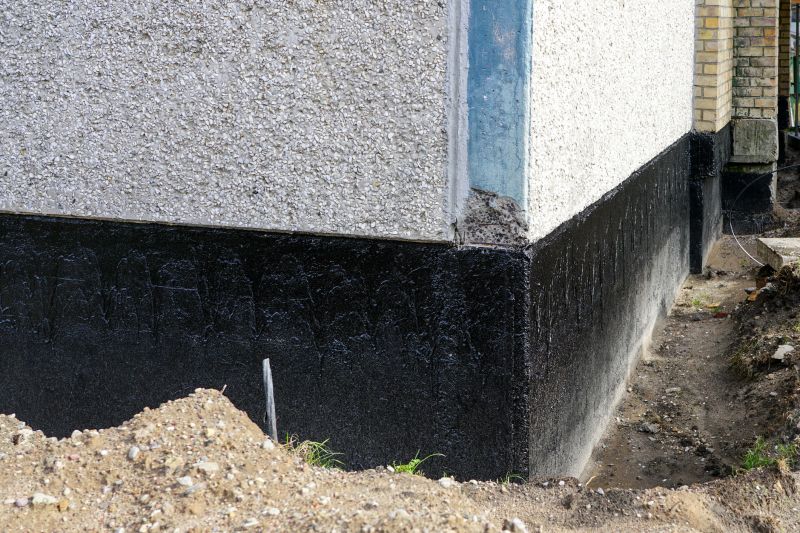
When evaluating contractors for basement and foundation waterproofing services, it is important to consider their experience with similar projects. Homeowners should inquire about how long the service providers have been working on water intrusion issues and whether they have handled cases comparable to their own. A contractor’s familiarity with the specific challenges of water damage-such as basement flooding, foundation cracks, or moisture seeping through walls-can provide insight into their ability to deliver effective solutions. An experienced local contractor will typically have a deeper understanding of common water intrusion pathways and the most appropriate methods to address them, helping ensure the longevity and effectiveness of the waterproofing work.
Clear written expectations are essential when comparing local contractors for foundation and basement waterproofing. Homeowners should seek detailed proposals that outline the scope of work, the materials to be used, and the specific steps involved in addressing water intrusion issues. Transparent communication about what the project entails helps prevent misunderstandings and ensures that both parties are aligned on the goals and processes. Well-documented expectations also serve as a reference point throughout the project, making it easier to evaluate whether the work is progressing as planned and to address any concerns promptly.
Reputable references and good communication are key factors in selecting a reliable service provider. Homeowners are encouraged to ask for references from past clients who had similar waterproofing needs, as this can provide insights into the contractor’s professionalism, quality of work, and ability to meet deadlines. Additionally, a contractor’s responsiveness and willingness to answer questions clearly can indicate their level of customer service and commitment to client satisfaction. Effective communication ensures that homeowners stay informed about project progress and can make timely decisions, ultimately contributing to a smoother process when dealing with water intrusion damage to foundations and basements.
Property owners often search for how water intrusion damages foundations and basements when they are planning practical projects around their homes and businesses. Local pros provide Basement and Foundation Waterproofing services for everyday jobs and straightforward project options.
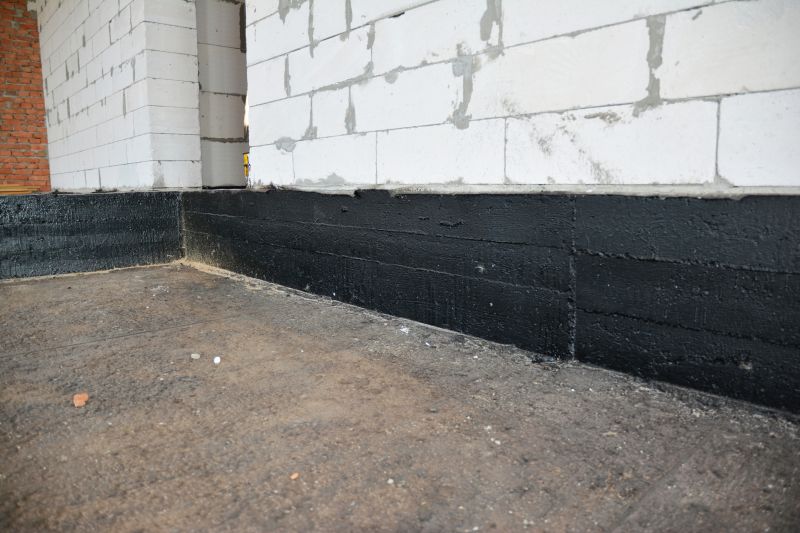
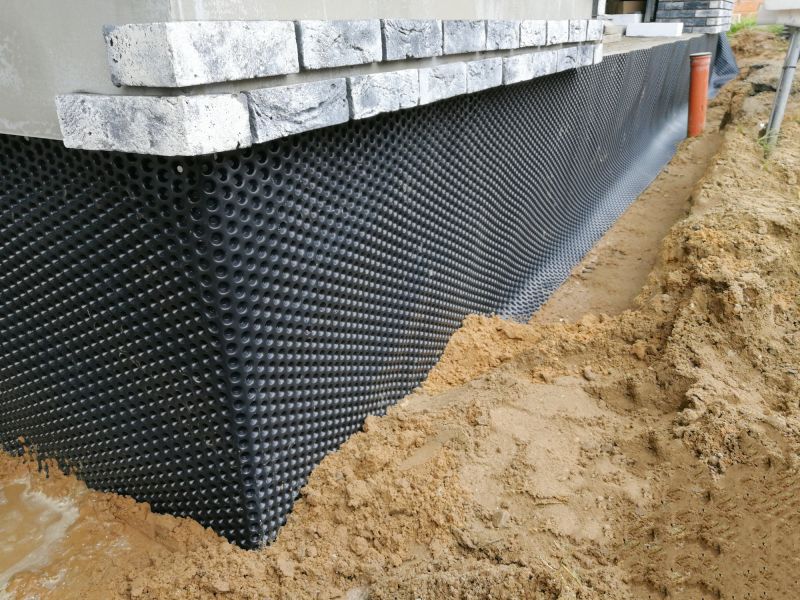
Water intrusion can significantly impact foundations and basements, especially in areas where heavy rains or melting snow are common. When water seeps through cracks or porous materials, it can lead to structural damage over time, causing walls to weaken or shift. For property owners experiencing signs like dampness, musty odors, or minor cracks in basement walls, understanding how water intrusion damages foundations and basements highlights the importance of professional waterproofing solutions. Local contractors who specialize in waterproofing services can assess the property, identify vulnerabilities, and implement measures to keep water out, helping to preserve the structural integrity of the home.
Many property owners look into basement and foundation waterproofing services after noticing water stains, mold growth, or water pooling during storms. These issues often stem from inadequate drainage or compromised barriers that allow water to penetrate the basement or foundation walls. Engaging with experienced local service providers can offer peace of mind, as they have the expertise to install effective waterproofing systems that prevent future water damage. Proper waterproofing not only protects the foundation but also helps maintain a dry, safe basement environment, making it a practical step for homeowners concerned about water intrusion and its long-term effects.
How does water intrusion damage foundations and basements? Water intrusion can weaken foundation walls, cause cracking, and lead to settling or shifting. In basements, it can result in mold growth, wood rot, and structural deterioration over time.
What are common signs of water damage in foundations and basements? Signs include damp or wet walls, efflorescence (white residue), musty odors, cracks in walls or floors, and water stains or mold growth.
How can waterproofing services help prevent water damage? Waterproofing services create barriers and drainage systems to divert water away from the foundation, reducing the risk of water intrusion and subsequent damage.
Why is it important to address water intrusion early? Early intervention can prevent extensive structural damage, reduce repair costs, and protect the indoor air quality from mold and mildew growth.
What types of waterproofing solutions do local contractors typically offer? They often provide interior and exterior waterproofing, sump pump installation, drainage improvements, and sealing of cracks to keep water out of foundations and basements.
Identify water entry points - inspecting your foundation for cracks and leaks can help determine where water intrusion may occur, allowing local contractors to recommend effective waterproofing solutions.
Improve drainage around the property - ensuring proper grading and installing drainage systems can reduce water buildup near the foundation, protecting against water damage.
Seal foundation cracks - applying sealants or waterproof coatings to cracks and vulnerable areas can prevent water from seeping into basements and causing damage.
Install waterproof barriers - adding barriers or membranes during basement finishing or foundation repairs can help keep water out and preserve structural integrity.
If you are thinking about how water intrusion damages foundations and basements for a property, this guide is meant to help you understand this topic, the typical project types, and how different options might fit your plans.
When you are ready, you can use the quote form on this page to share a few details about your project. From there, local pros can review the basics and follow up with options that match what you have in mind.